
The Scale of Ocean Life
Compare the size, habitat depth, and survival strategies of 66 marine organisms.
The Scale of Ocean Life Knowledge file
From micrometre-scale plankton to whales and colonial organisms tens of metres long, the ocean contains an astonishing range of living sizes.
At a glance
- Smallest
- About 0.6 micrometres
- Largest
- About 40 metres
- Samples
- 66 species
- Key conditions
- Light, temperature, and pressure
Core concepts
Microscopic life supports the food web
Phytoplankton use sunlight to fix carbon. Though tiny, their vast numbers make them the energy gateway for many marine food chains.
Light fades rapidly with depth
Photosynthesis thrives near the surface; in the deep sea, life relies more on sinking organic matter, predation, or chemosynthesis.
The longest is not always one individual
Colonial organisms such as siphonophores consist of many specialized individuals and can exceed large whales in total length.
Ways to understand
- Micrometres–millimetresPlankton
Tiny and abundant, they drift with currents and drive the ocean carbon cycle.
- Centimetres–metresSwimming and bottom-dwelling animals
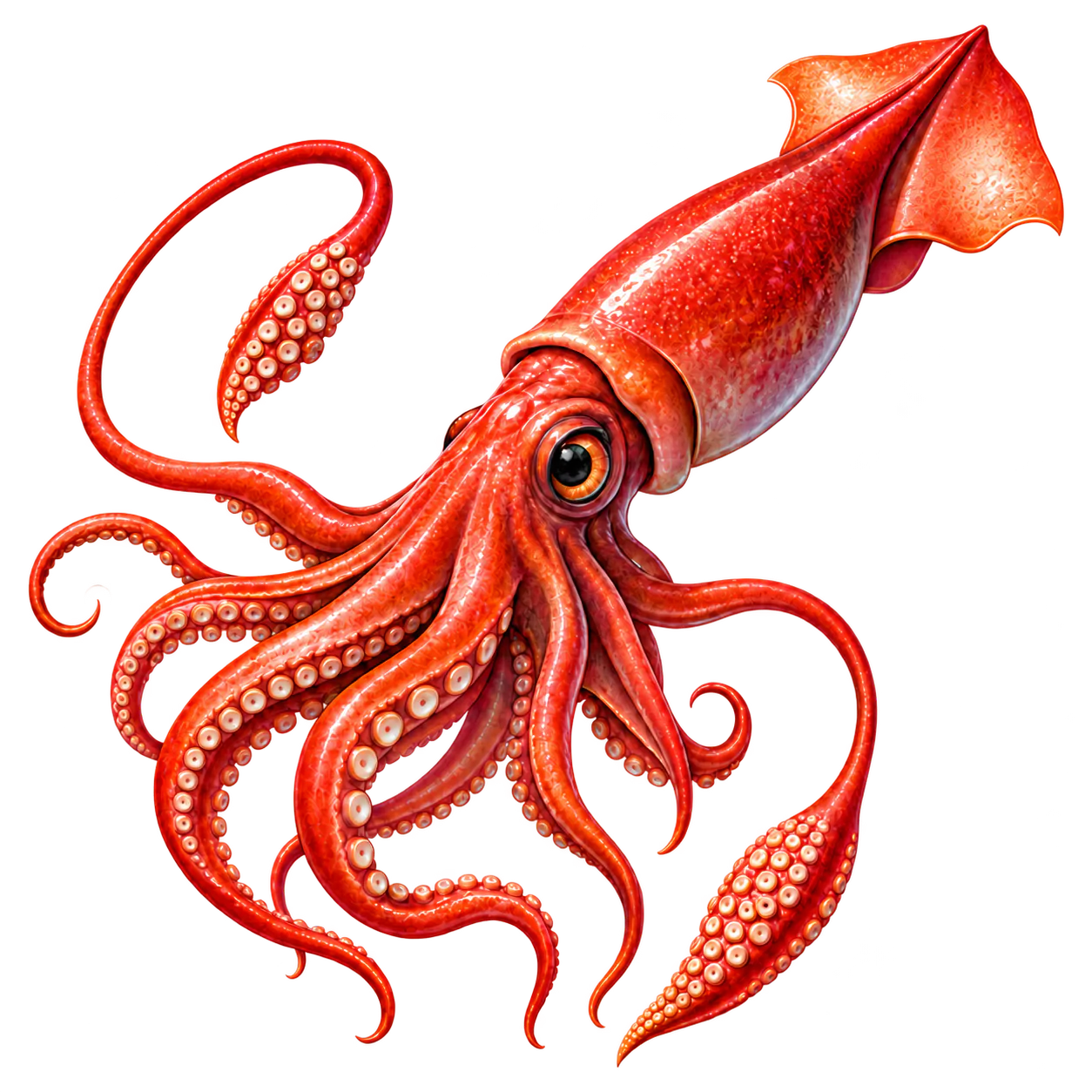
Muscles, fins, shells, and tentacles create diverse strategies for movement and defense.
- Tens of metresOcean giants
Buoyancy reduces the burden of supporting the body, allowing whales and colonies to reach scales rarely seen on land.
What to observe
- ObserveCompare length and depth
Organisms of similar size may live under completely different light, temperature, and pressure conditions.
- ObserveDistinguish individuals from colonies
Some extremely long organisms are actually colonies built through cooperation among many individuals.
- ConsiderBody size is tied to energy
Food supply, metabolic rate, and migration ability together limit the size an organism can reach.