
Dinosaurs from Small to Large
Explore 60 representative dinosaurs by body length using high-resolution scientific reconstructions.
Dinosaurs from Small to Large Knowledge file
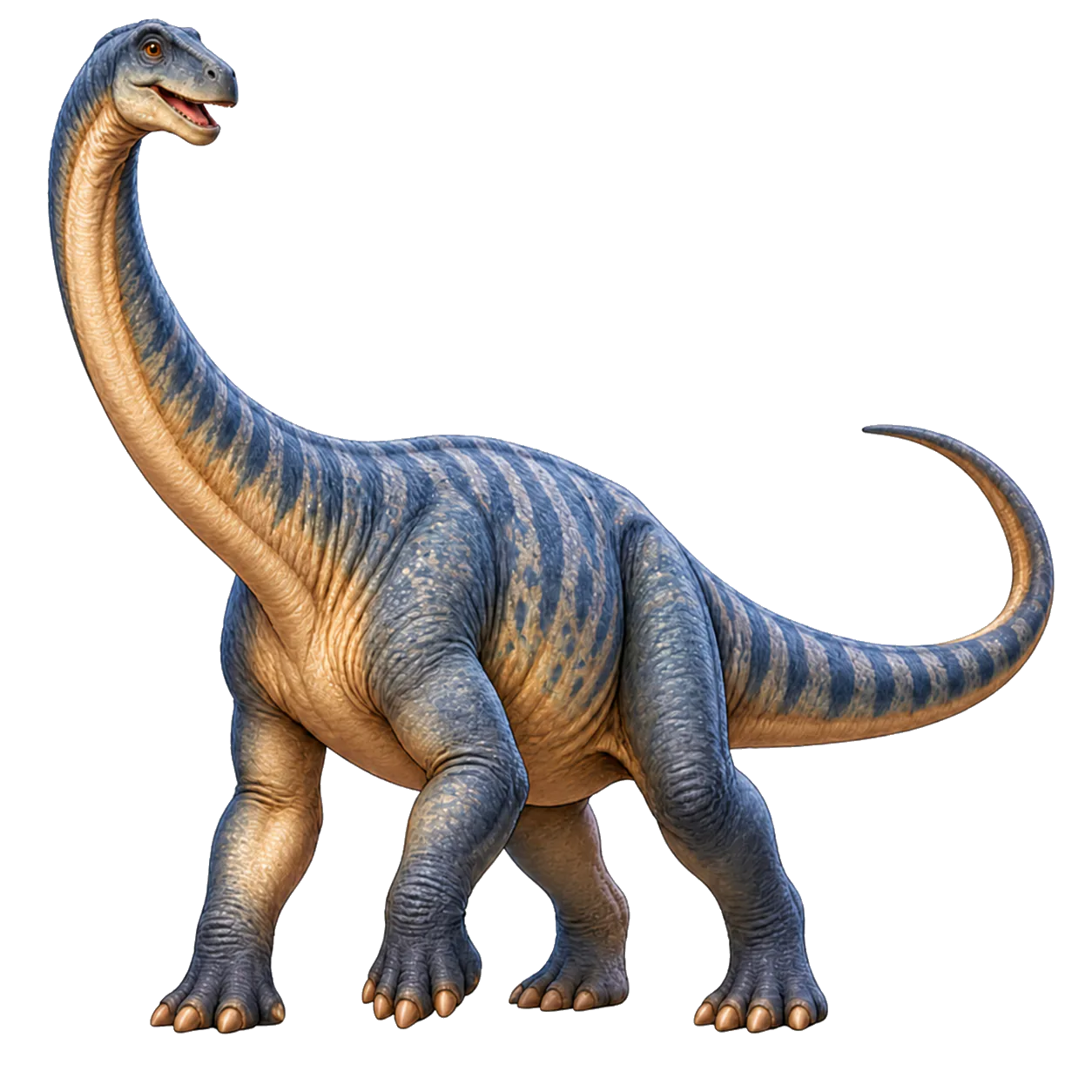
From feathered dinosaurs under a metre long to giant sauropods around 35 metres long, body size records different niches and survival strategies.
At a glance
- Smallest
- About 0.6 metres
- Largest
- About 35 metres
- Time range
- About 230–66 million years ago
- Exhibit samples
- 60 species
Core concepts
Birds are surviving dinosaurs
Modern birds are one branch of theropod dinosaurs; features such as feathers, wishbones, and hollow bones persist today.
Long necks helped reach more food
Column-like limbs, air-sac systems, and efficient feeding let sauropods evolve to extreme sizes for land animals.
Reconstructions combine many clues
Skeletons, footprints, skin impressions, feather fossils, and comparisons with living animals all shape scientific reconstructions.
Ways to understand
- TriassicEarly dinosaurs appear
The first dinosaurs were mostly small and later expanded through terrestrial ecosystems.
- JurassicGiant sauropods flourish
Warm conditions and extensive vegetation supported huge herbivores and their predators.
- CretaceousForms become highly diverse
Ceratopsians, duck-billed dinosaurs, ankylosaurs, and many theropods occupied different niches.
What to observe
- ObserveUse a human for scale
Comparing hip height, head height, and total length on one scale is more intuitive than numbers alone.
- ObserveSeparate length from mass
Long tails and necks greatly increase length without necessarily producing the same increase in body mass.
- ClarifyNot all dinosaurs went extinct
The event 66 million years ago ended non-avian dinosaurs, while birds survived and diversified.